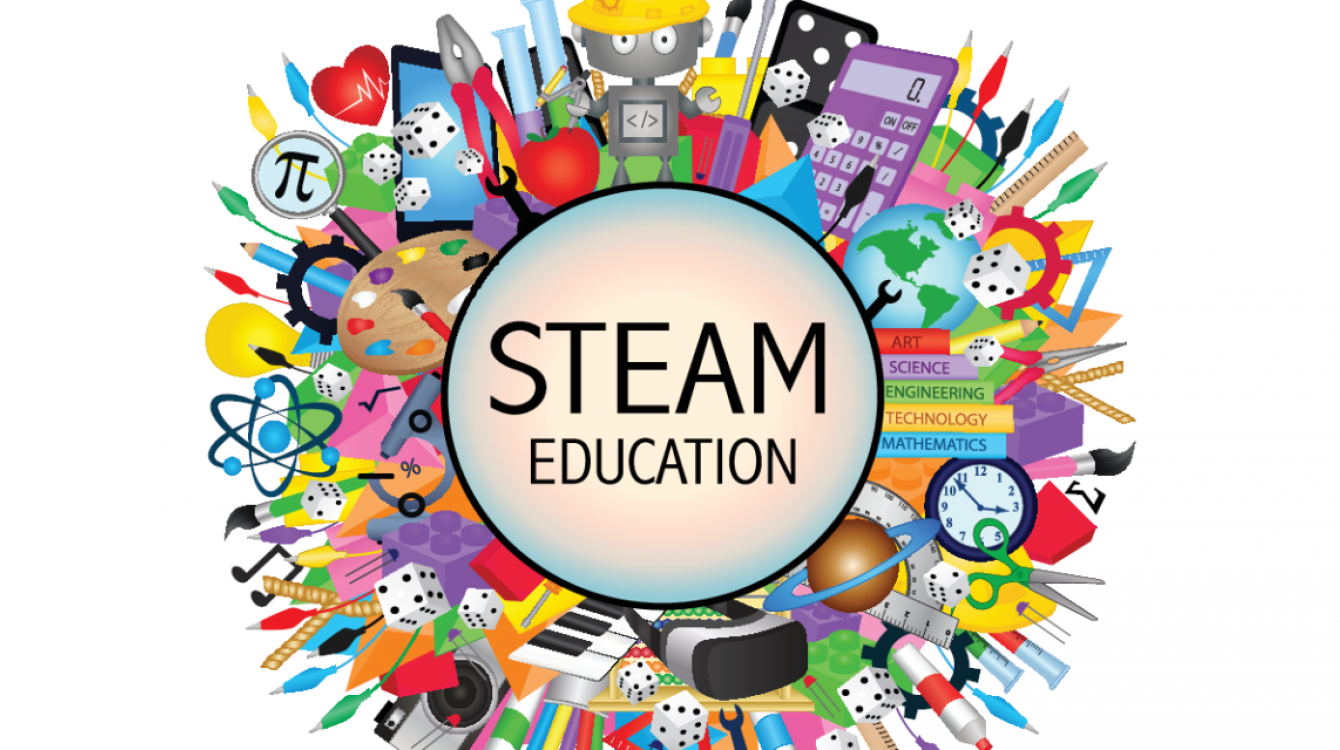
How STEM Education Transforms Learning: Engaging Activities for Future Innovators
STEM education plays a crucial role in transforming traditional learning experiences by fostering critical thinking, creativity, and problem-solving skills. Through innovative approaches, students engage with real-world challenges in mathematics, science, technology, and engineering, making learning both relatable and exciting. Activities such as robotics competitions and science fairs empower students to collaborate in teams, develop tangible solutions, and gain hands-on experience that ignites their passion for inquiry and exploration.
Effective STEM activities can take many forms, including project-based learning, coding clubs, and interactive workshops. These engaging methods encourage future innovators to explore their interests, whether it's creating a simple app or launching a mini rocket. Students not only build technical skills but also learn the importance of perseverance and adaptability—essential traits for thriving in an ever-evolving technological landscape. By nurturing a sense of curiosity and resilience, STEM education is setting the stage for the next generation of leaders and innovators.
Top 5 Skills Students Gain from STEM Education: Preparing for Tomorrow's Careers
In today's rapidly evolving job market, STEM education (Science, Technology, Engineering, and Mathematics) equips students with essential skills that are highly valued across a variety of industries. The top skills gained from this educational approach include:
- Problem-Solving: Students learn how to approach complex challenges, break them down into manageable parts, and devise effective solutions.
- Critical Thinking: STEM encourages logical reasoning and analytical skills, allowing students to assess situations and make informed decisions.
- Collaboration: Many STEM projects involve teamwork, teaching students to communicate effectively and work towards a common goal.
- Technical Proficiency: Students gain hands-on experience with tools and technology, preparing them for careers in an increasingly digital world.
- Creativity: Contrary to the stereotype of STEM as purely technical, students also harness their creative skills to innovate and develop new ideas.
As the need for skilled professionals in fields related to STEM continues to grow, it's clear that the competencies acquired through this education are vital for preparing students for tomorrow's careers. Emphasizing these skills not only enhances employability but also fosters a mindset geared towards lifelong learning and adaptability. In essence, investing in STEM education today is an investment in the future workforce, capable of driving innovation and addressing global challenges.
Why is STEM Education Essential for the Next Generation?
STEM education, which encompasses Science, Technology, Engineering, and Mathematics, plays a vital role in preparing the next generation for a rapidly changing world. As we move further into the 21st century, the demand for skilled professionals in these fields continues to grow, driven by technological advancements and global challenges. By fostering critical thinking, problem-solving, and innovation, STEM education equips students with the necessary tools to navigate complex issues, contribute to economic growth, and enhance societal well-being.
Furthermore, integrating STEM education into the curriculum promotes equal opportunities for all students, encouraging diversity and inclusion in fields that have historically been underrepresented. Engaging students through hands-on experiences, collaborative projects, and real-world applications not only strengthens their foundational knowledge but also inspires their passions. It is essential that the next generation is not only consumers of technology but also creators, enabling them to shape a future that embraces creativity and advances human potential.