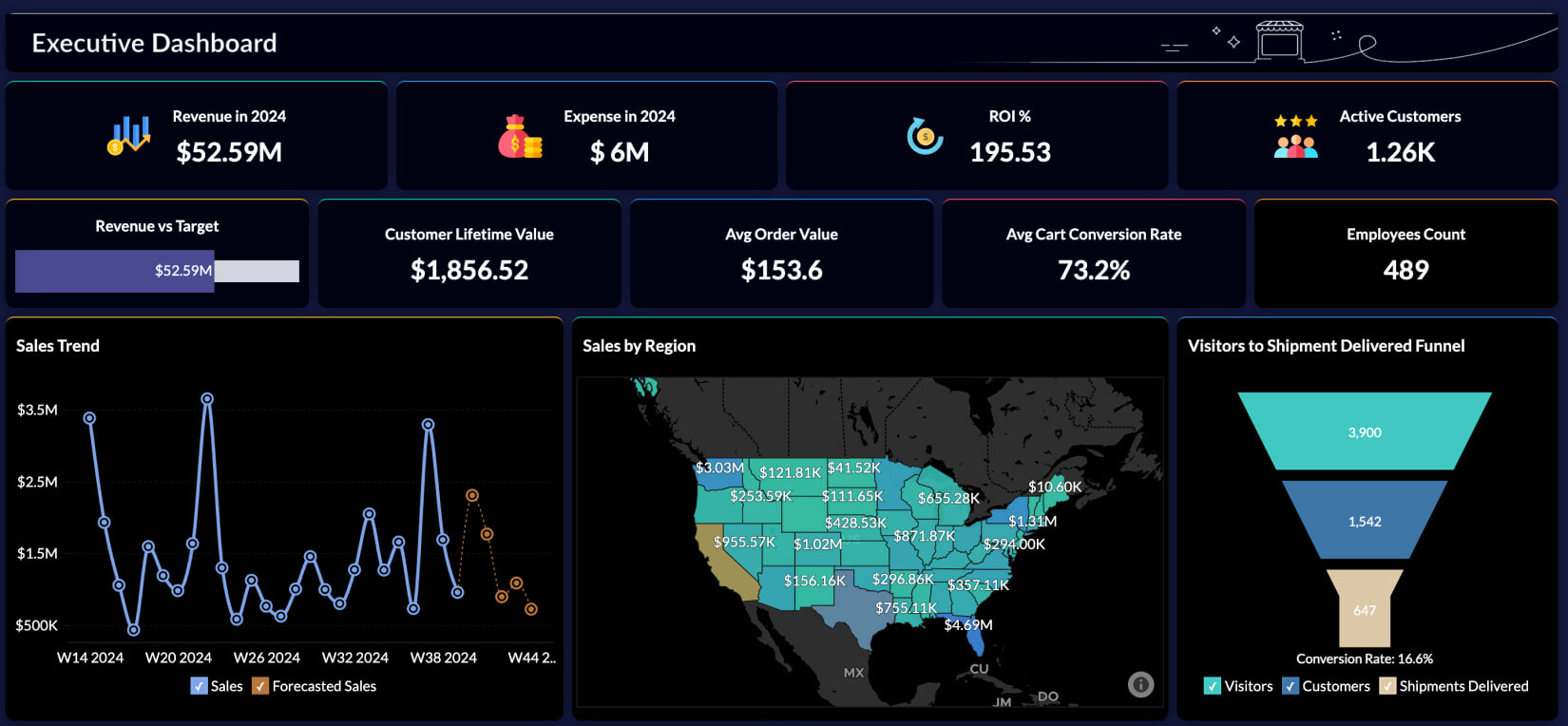
The Evolution of Data Visualization: From Spreadsheets to Stunning Visuals
The journey of data visualization has undergone significant transformation since the early days of spreadsheets. Initially, data was primarily presented in rows and columns, making it challenging to interpret complex information quickly. With the advent of advanced tools and technologies, we began to see the rise of graphical representations like bar charts, line graphs, and heat maps. These visual tools allowed for more intuitive understanding and storytelling with data, marking a shift from purely numerical reports to visually engaging dashboards that could captivate audiences and drive insights.
As technology evolved, so did the capabilities of data visualization. Today, we find ourselves in an age where interactive visuals dominate the landscape, enabling users to explore datasets dynamically. Modern visualization platforms allow for real-time data interaction, making insights more accessible and actionable than ever before. This evolution not only enhances the analytical process but also democratizes data, enabling a wider audience to grasp complex concepts through stunning visuals. The future holds even more promise as we explore AI-driven visualizations that can adapt and learn from user interactions.
How to Choose the Right Data Visualization Software for Your Needs
Choosing the right data visualization software is crucial for effectively communicating your data insights. Begin by assessing your specific needs: consider the type of data you work with, the industry standards, and the target audience for your visualizations. For instance, if you require interactive dashboards that can be easily shared, tools like Tableau or Microsoft Power BI might be your best bet. Additionally, consider the level of complexity you are comfortable with; some tools offer robust functionality while others might be more user-friendly for beginners.
Next, evaluate the features that are most important to you. This might include drag-and-drop capabilities, integration with other data sources, or advanced analytical functions. It's also wise to look into pricing models and whether the software offers a free trial, allowing you to test the interface before committing. For comprehensive reviews and comparisons of data visualization tools, refer to resources such as Gartner or G2.
Top 5 Data Visualization Techniques to Transform Your Data into Compelling Stories
Data visualization is a vital skill for anyone looking to transform raw information into compelling insights. By employing effective techniques, you can tell powerful stories that captivate your audience. Here are the Top 5 Data Visualization Techniques that will help you make sense of complex datasets and ensure your findings resonate with stakeholders:
- Bar Charts: Ideal for comparing quantities, bar charts effectively display data differences. Whether it's sales numbers or user engagement, these visualizations allow for at-a-glance comparisons. For more examples of effective bar chart usage, visit Datawrapper.
- Line Graphs: Best used for showing trends over time, line graphs can illustrate changes in data points, making it easier for viewers to track a narrative. For insights on creating impactful line graphs, check out Tableau.
- Heatmaps: Heatmaps provide a color-coded representation of data, enabling viewers to identify patterns and outliers swiftly. Learn how heatmaps can enhance your data storytelling at Data Visualization Blog.
- Pie Charts: When you want to show proportions, pie charts can be very effective. However, use them sparingly to avoid confusion in representation. A helpful guide on using pie charts can be found at Infogram.
- Infographics: Combining various data visualization techniques, infographics can tell an entire story in a single image. They are particularly effective for sharing on social media platforms, allowing complex information to be digestible at a glance. Explore the principles of creating infographics at Canva.